A complementary practice
Reiki
The other half of the work
A tattoo is someone deciding to carry something for the rest of their life. Treating that as a purely technical job misses most of what happens in the room.
Why this page exists
Any competent artist can put a good drawing on skin. What you are choosing when you choose a studio is what the day itself is like — who is in the room, what they are paying attention to, and whether the thing you came to mark gets treated as a job or as the reason you are there.
This is the part of the work that does not show up in a photograph, so it gets said here instead.
Reiki, and what it is doing here
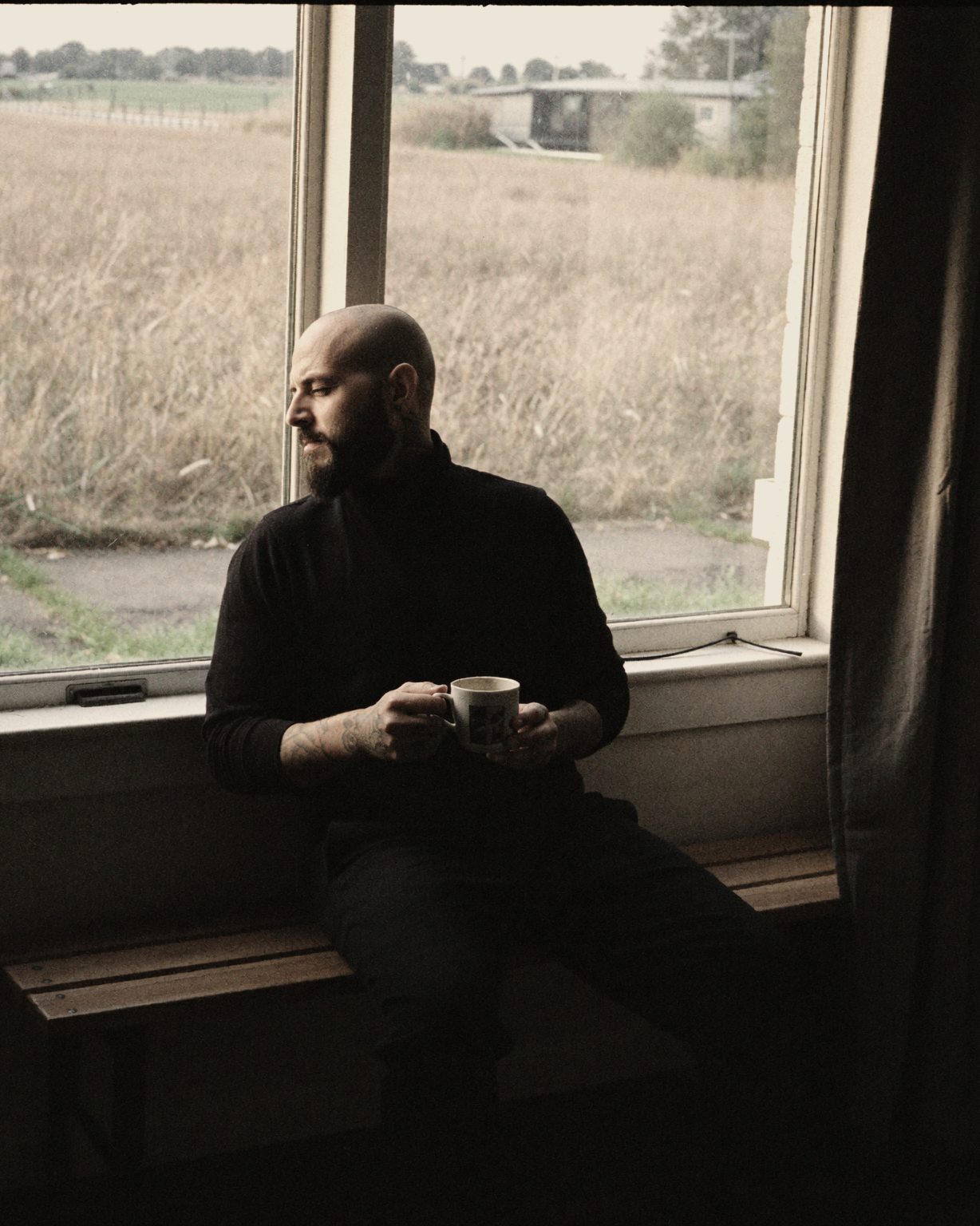
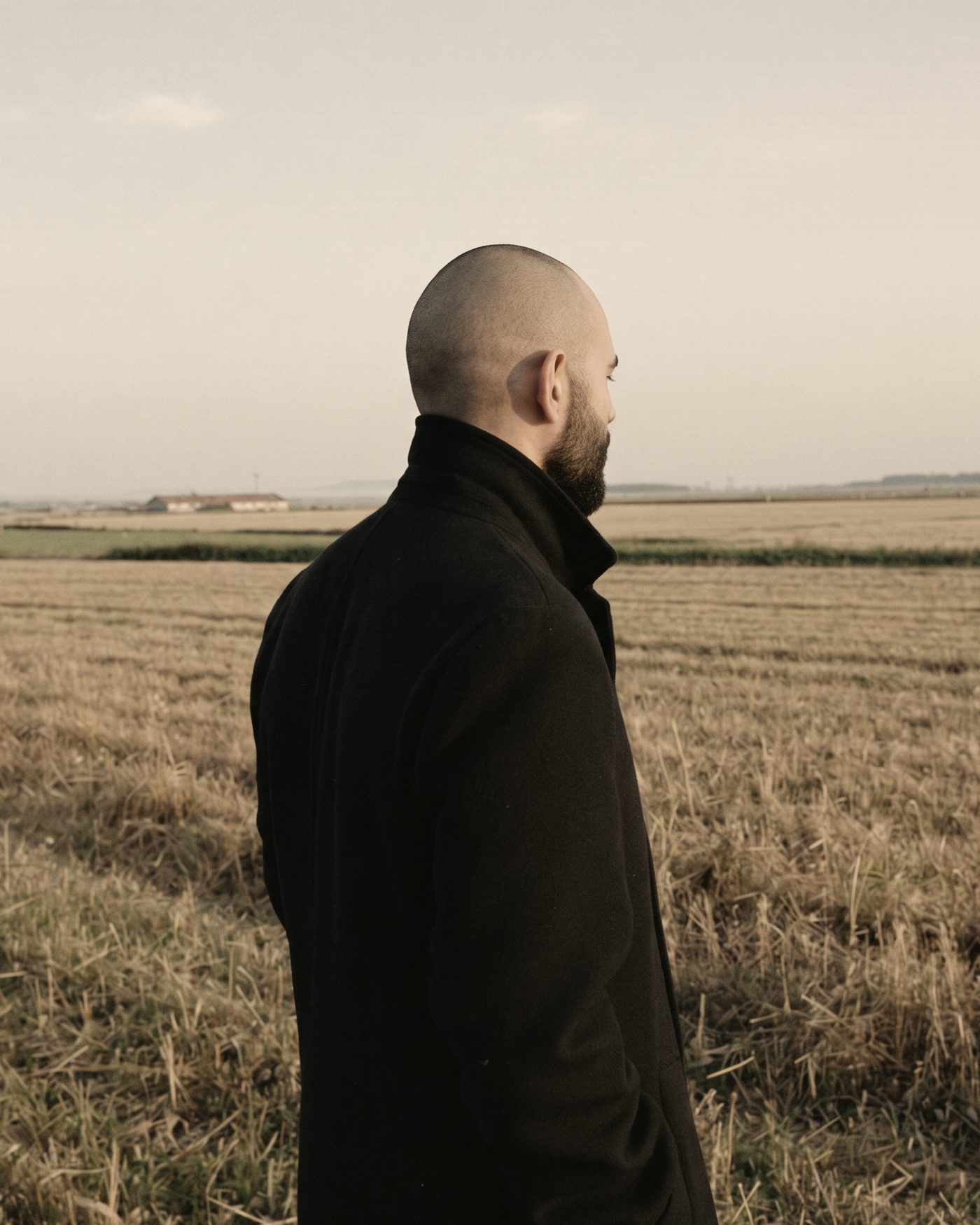
Nicolás has practised Reiki since he was fourteen — longer than he has tattooed. For years those were two separate things he did. They are not separate any more.
It is not a service you book and it is not on the price list. It is how the room is held: a session that runs eight hours is eight hours of someone else’s attention, and where that attention is pointed changes what the day is. Some people are marking a loss. Some are marking getting through something. Most know exactly what their piece is for even if they have never said it out loud.
What that looks like in practice is quiet, unhurried and unceremonious — one client a day, no queue, no rush, and no performance about any of it. If you want none of it, you will not notice it, and you will still get a beautiful tattoo.
Symbol and intention
Most of what this studio tattoos carries meaning that predates the client by centuries — the lotus that only grows in mud, a warrior hung from the world tree for wisdom, a skull in a mirror. Knowing what a symbol has meant to other people for a thousand years is part of drawing it well.
It is also why every piece in the portfolio has a name. The hours tell you what it cost. The name tells you what it is.
The work is the argument. The rest of it is how the work gets made.
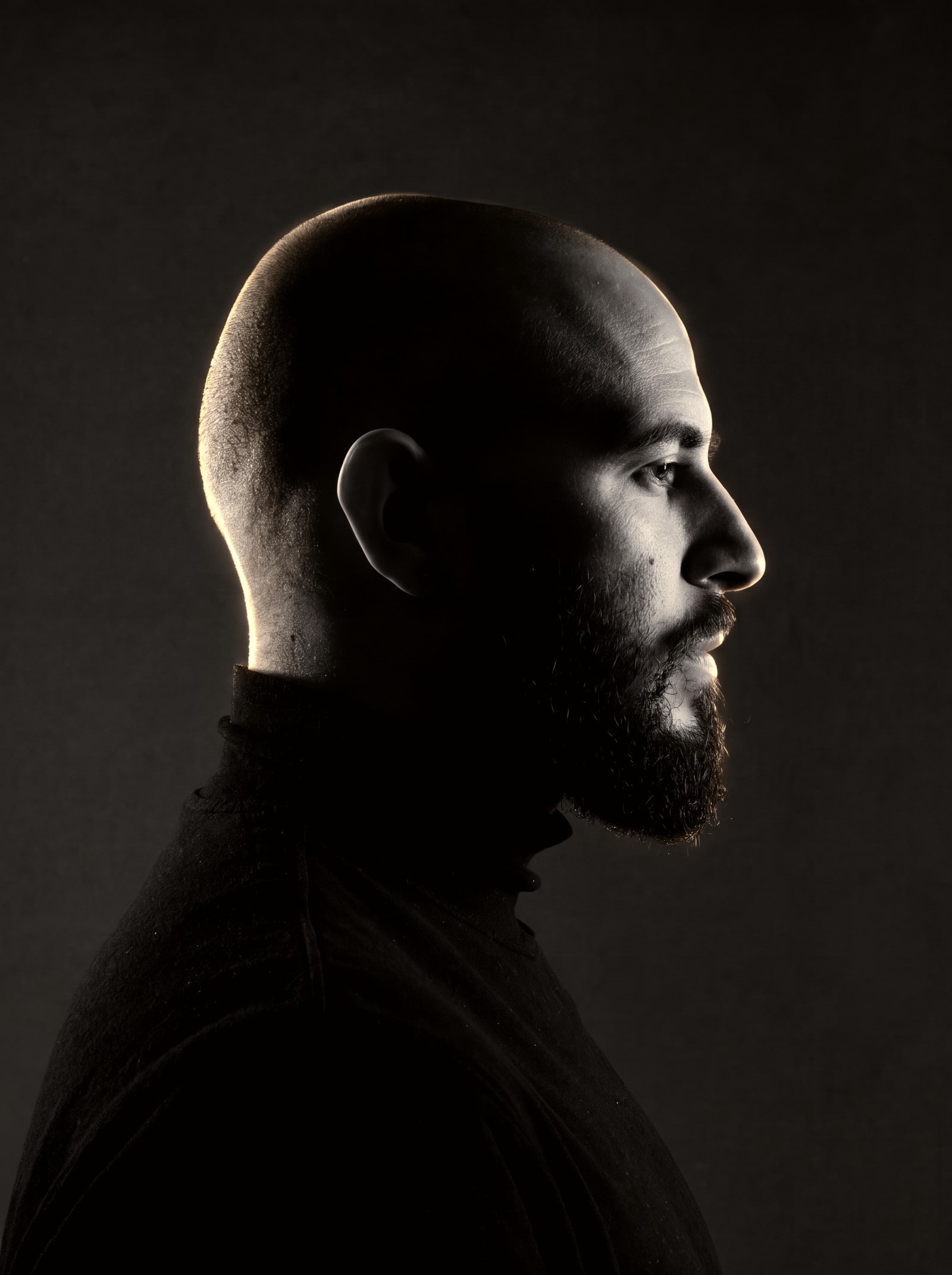
Not sure yet? Tell me what you're thinking. I read every message myself.